

UC2 · Step 3 of 5 — Choose a fix
Kavi Patel · Timekeeper · Tuesday, 14:10
The Resolution group offers Kavi three options. Each one represents a different judgment about what really happened.
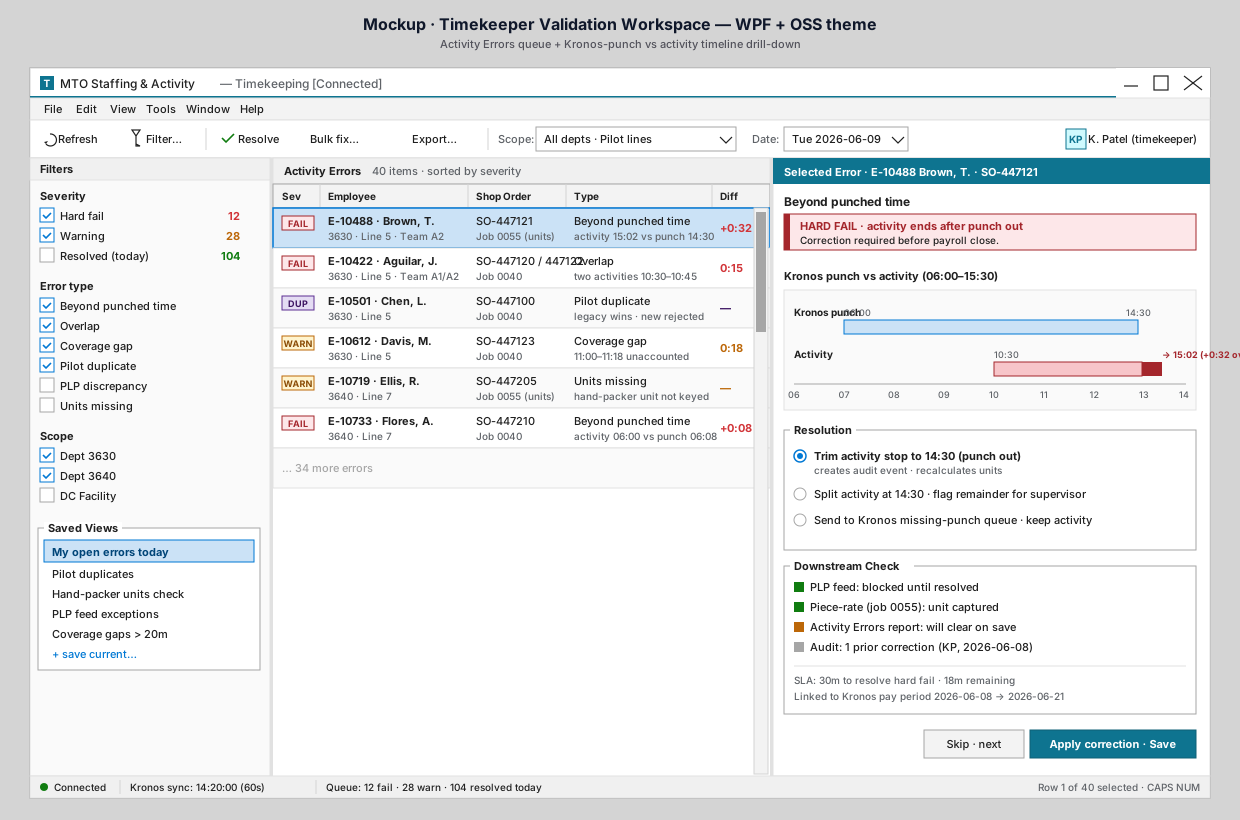
The three resolutions, in plain English
| Option | When you pick it | What the system does |
|---|---|---|
| Trim activity stop to 14:30 (punch out) | The most common case — the activity was simply keyed a bit long. T. Brown punched out at 14:30, so the activity should end there too. | Adjusts the activity end time. Recalculates units. Records an audit event. Clears the error. |
| Split activity at 14:30 · flag remainder for supervisor | The over-punch represents real work that should have been on the clock. The supervisor needs to see it, decide if a punch adjustment is warranted, and possibly route to Kronos. | Splits the activity into two segments. The "post-punch" remainder gets flagged for supervisor review. |
| Send to Kronos missing-punch queue · keep activity | The employee almost certainly worked the full window — Kronos punch is wrong, not the activity. | The activity stays. A missing-punch case is opened on the Kronos side. Phase one does not rewrite Kronos; it hands off through the existing queue. |
What Kavi knows that the system doesn't
The choice between these three is judgment, not arithmetic. Kavi knows:
- T. Brown's history (does he usually forget to punch out?).
- Whether the line ran long today (was there a real reason for 32 extra minutes?).
- Whether the supervisor is already aware of this employee or shop order.
The app frames the choice cleanly, but the choice is his. In this case the line ran on time and T. Brown's pattern is "keys a few minutes long" — so Kavi picks Trim activity stop to 14:30.
What the app does not do
- It does not auto-correct. Hard fails sit in the queue until a human applies a resolution.
- It does not bypass Kronos. If the resolution involves a punch adjustment, the case goes through the existing Kronos missing-punch path.
- It does not silently rewrite history. Every option creates an audit event.
Why it matters
This is the moment that justifies why timekeeping exists as a role. The app's job is to surface the facts and offer the right shape of choice. The decision is Kavi's, and the audit trail makes it accountable.
⬅ Prev: Step 2 — Read the timeline · Use Case Index · 🏠 Demo Home · ▶ Next: Step 4 — Apply and watch downstream